Important tests for pregnancy that you should know about
Posted By Suborna Fermi
Posted on May 03, 2026
What is a pregnancy test?
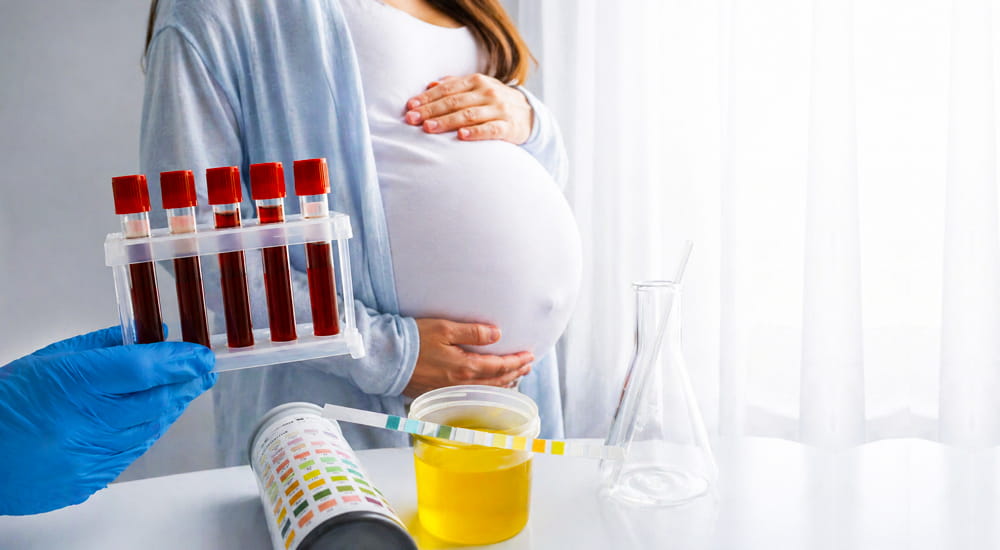
Pregnancy tests are performed to confirm pregnancy. Pregnancy tests include two different test parameters - a blood test and a urine test. The pregnancy test is performed to confirm the pregnancy and also to assess the overall health of the fetus.
How does a pregnancy test work?
A woman’s body produces hcg hormone when she is pregnant, and the main purpose of a pregnancy test is to detect this hormone to confirm pregnancy. The hormone is created by the placenta. If there is a missed period within the first two weeks, then this test is performed to ensure pregnancy. The pregnancy testing kits are now widely available for home use. These kits are only used for detecting the presence of hcg hormone in the urine. For the pregnancy blood test, the blood sample of an individual is needed, and it can help the medical professionals get a more accurate reading of the remaining hcg amount in the blood.
4 most important pregnancy tests
- Prenatal testing: Prenatal testing involves tests for examining the health of both the mother and the baby for detecting underlying problems and assessing risks. Once screening tests analyze a risk, diagnostic tests are performed for more precise results.
- First trimester screening test: It’s performed within the 10th week of pregnancy. The tests that are associated with the first trimester screening test are mentioned below.
- Ultrasound for fetal NT: It’s performed to confirm the age of a pregnancy and examine the position and size of the baby. This test also helps to find out abnormalities in the structure of the organs or bones of the baby. Also, it helps to examine fluid amounts present at the back portion of the neck of the baby, the more fluid is found, the more the chances of down syndrome increases.
- Maternal serum blood test: The test measures two substances called hCG and PAPP-A, which helps to assess potential risks of trisomy 18 and down syndrome in the baby.
- Additional checkups: There are also additional checkups to check blood count, blood type, RH factor, etc. Also, tests for detecting the presence of anemia can also be performed.
- Second trimester screening test: This screening test combines blood tests that are mentioned below.
- Quad marker screening: The quad marker screening test checks for different substances like estriol, HCF, AFP and inhibin for the purpose of assessing the risks of fetal down syndrome and other issues. If multiple markers are found, then it indicates higher risks of trisomy 18, down syndrome, abdominal wall defects or neural tube defects.
- Amniocentesis: It is performed to determine the presence of down syndrome. Doctors may recommend this test if there is any family history of genetic conditions.
- Glucose screening: The glucose screening is performed to check for gestational diabetes, which has a chance to develop during pregnancy.
- Third trimester screening test: Group B step screening is involved with this test, which is performed within the 36 weeks and 37 weeks of pregnancy. GBS is a bacteria which is found in the mouth, vagina, throat and lower intestinal tract. Therefore, the presence of this bacteria in the vagina can be harmful for the baby if it’s a vaginal delivery as newborn babies have a very weak immune system.
The bottom line
Pregnancy tests are important as they ensure safety. Nowadays, all the pathology labs have enabled the facilities of pregnancy tests, which are available for a very reasonable price in almost every region. Consult them today to know in detail about pregnancy tests.

 Cart
Cart 
 Cart
Cart